

We have talked about the Coalition of the Miserable and how they unite to erase a father. We have talked about the Bystanders who stay silent to keep the peace.
But there is a darker level to this dynamic. A level where alienation stops being a relationship issue and starts being a safety issue.
It happens when the Alliance cares more about the war than they do about the casualty.
Earlier this year, I became aware of a crisis involving on of my sons. These were not the typical struggles of a young man finding his way. These were red flags. The kind of warning signs that no parent can ignore. Significant indicators of a downward spiral that, if left unchecked, could lead to the kind of tragedies we read about in the news.
I sat down and wrote a letter.
It was not a letter about custody. It was not about “my rights.” It was not about the past. It was a dossier of immediate, verifiable concerns regarding his safety and the safety of those around him. I sent it to his mother. I sent it to my sister. I sent it to the family members who had cut me off.
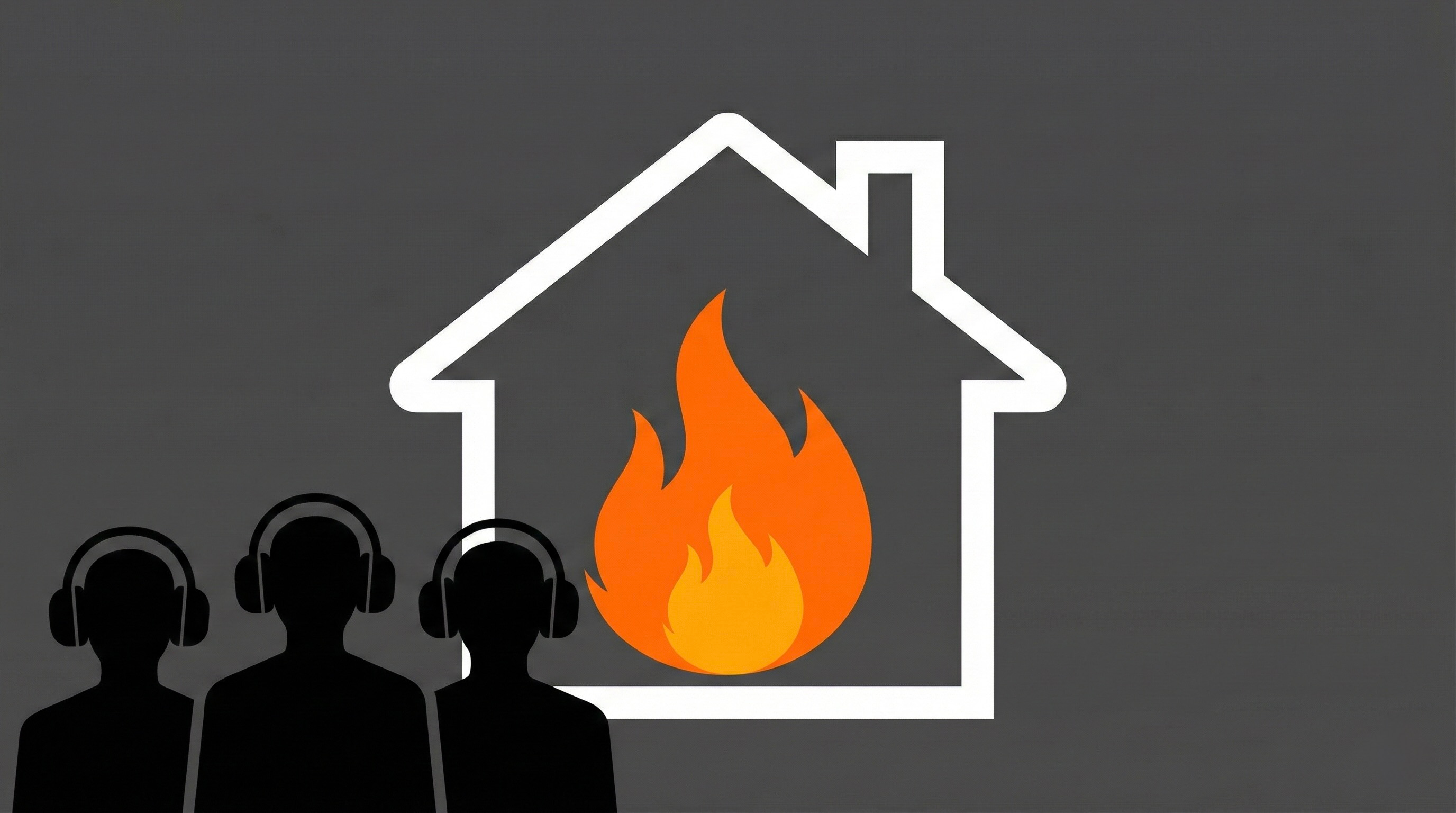
I essentially told them: The building is burning. Here is the smoke. Please, for the sake of the boy we all claim to love, grab a bucket.
I expected them to hate me. I am used to that. But I also expected them to act. I assumed that their instinct to protect my son would override their instinct to hurt me.
I was wrong.
There was no response. No acknowledgment. And, to my knowledge, no collaborative effort to address the danger.
The Priority of the Feud
This is the Safety Blindspot.
In a normal co-parenting dynamic, safety is the common ground. In a functional dynamic, you might hate your ex, but if they text you with a serious safety concern, whether it be a mental health crisis or a legal risk, you drop the sword and you pick up the phone
But in an alienated family, the “Target Parent” is not allowed to be right. Not even about danger.
If the Alliance acknowledged my warning, they would have to admit two things they cannot accept...
That I still have value as a father.
That their “perfect” narrative (where they saved the child from the evil father) is failing.
So, they chose the alternative. They ignored the fire because I was the one holding the alarm.

Neglect Disguised as Loyalty
This is where alienation transforms into neglect.
By refusing to engage with the reality of the crisis, they left a dangerous void. It felt as though they were leaving him alone with his struggles because addressing them would require collaborating with me.
The child learns a brutal lesson in this silence. They learn that they are only valuable as long as they are “fine.” They learn that if they have a real problem... a problem that requires the “Villain’s” help to solve... they are on their own.
My son is an adult now. He makes his own choices. But the family system around him failed him. They prioritized their hatred of the messenger over the message. They prioritized the stability of the feud over the stability of the child.
Shouting Into the Void
For the alienated parent, this is a specific kind of torture. It is the nightmare of watching a car crash in slow motion from behind a glass wall. You scream. You bang on the glass. You point at the danger.
And the people in the car just turn up the radio.
I have had to accept a hard truth this year. I cannot save someone who is being enabled to destroy themselves. I cannot force the Alliance to care more about safety than they care about “winning.”
I sent the letters. I sounded the alarm. I put the truth on the record.
That is where my power ends.
We are all in the same room. The smoke is filling the air. I have pointed to the exit. Now, I have to stand back and wait to see if anyone loves him enough to walk through it.
Author’s Note: This article is a work of personal nonfiction based on my own memory, correspondence, and documentation. It reflects my individual perspective and experience, and is not intended as legal or psychological advice. Some names, timelines, or identifying details may have been changed to protect the privacy of all involved.
A Note on Gender: While I write this from my perspective as a father speaking about an ex-wife, the behaviors of alienation and high-conflict control are gender-neutral. If you are a mother experiencing this, simply swap the pronouns; the pain and the patterns are exactly the same.
Resources & Further Reading
Understanding the Failure to Protect
When Co-Parenting Fails: Psychology Today: 4 Mistakes to Avoid With High Conflict People
Why read this: Bill Eddy explains why high-conflict individuals often ignore logical warnings or safety concerns because their primary goal is managing their own emotional defensiveness, not solving the problem.
The Impact on the Child
The alienated child’s crisis: Psychiatric Times: Parental Alienation as Child Abuse
Why read this: This article categorizes alienation not just as a relationship issue, but as a form of psychological abuse and neglect where the child’s developmental needs are sacrificed for the parent’s agenda.
Systemic Neglect
The Bystander Effect: Psychology Today: The Bystander Effect
Why read this: While often applied to strangers, this psychological principle explains why family groups (The Alliance) will collectively ignore a crisis, assuming “someone else” is handling it or that the threat isn’t real.