

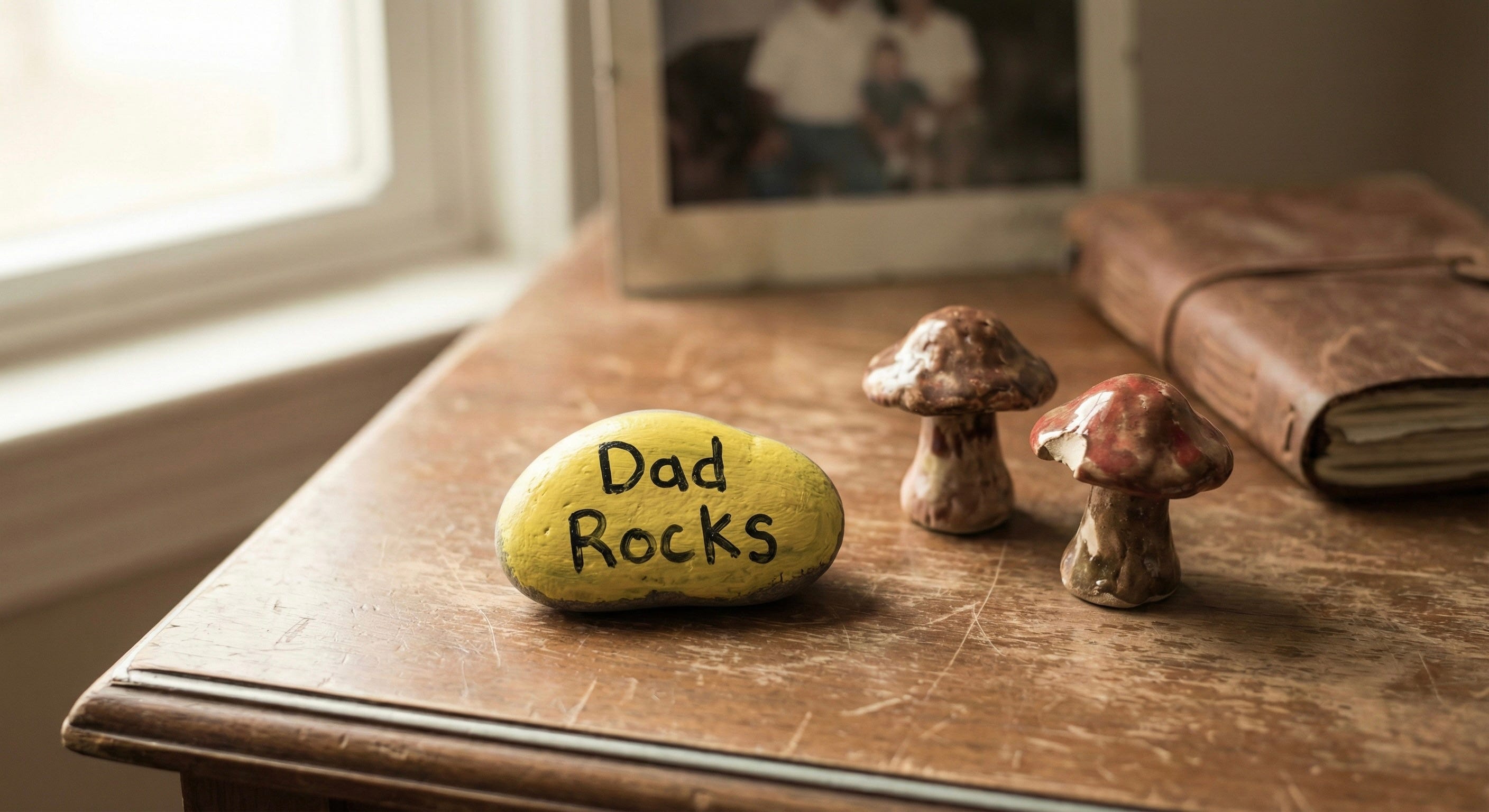
On my desk, there is a rock.
It is small, yellow, painted unevenly by a child’s hand. The words on it say: “Dad Rocks.”
Next to it, two clay mushrooms. The kind made in an elementary school art class, glazed in colors that probably meant something at the time. One has a chip on the cap. I don’t remember when that happened.
This is my archive. This is what I have left.
Not a box in the attic. Not a storage unit of memories. Just these: a painted rock, two clay mushrooms, and photographs I keep on my phone.
Everything else is gone.
What I gave
When my marriage ended, I did not fight over keepsakes. I gave them to her.
The school projects. The holiday cards. The drawings they made. I photographed each item before handing it over, not because I anticipated what would come next, but because I wanted a record. I wanted to remember what I was giving.
I gave her CDs containing every family photograph I had. Years of birthdays, vacations, ordinary Tuesdays. The court agreement required it. I complied. I documented the handoff.
The boys were present during the physical handoffs. They saw what I gave. The CDs with photographs I sent separately, by mail, with tracking and delivery confirmation.
Years later, I learned what they had apparently been told: that I gave nothing. That I kept everything for myself. That their father hoarded the memories and refused to share.
I have the photographs of what I handed over. She has used images from those very CDs on her public social media. The same photos I was told I never gave.
What was taken
My brother died in the early 1980s. Leukemia. He was young. I was young.
After he was gone, I kept what little remained of him. A few magic tricks, the kind you buy at a novelty shop. We both loved magic as kids. Those tricks were not valuable to anyone but me. To me, they were the last physical connection I had to my brother.
When my marriage ended, those items went with her. I asked for them back. More than once. The requests were ignored.
Years later, my younger son sent me a photograph. In it: plastic containers filled with magic tricks. My tricks. My brother’s tricks. Still in her possession.
I have nothing left of my brother now. Nothing but that photograph of what she kept.
What remains
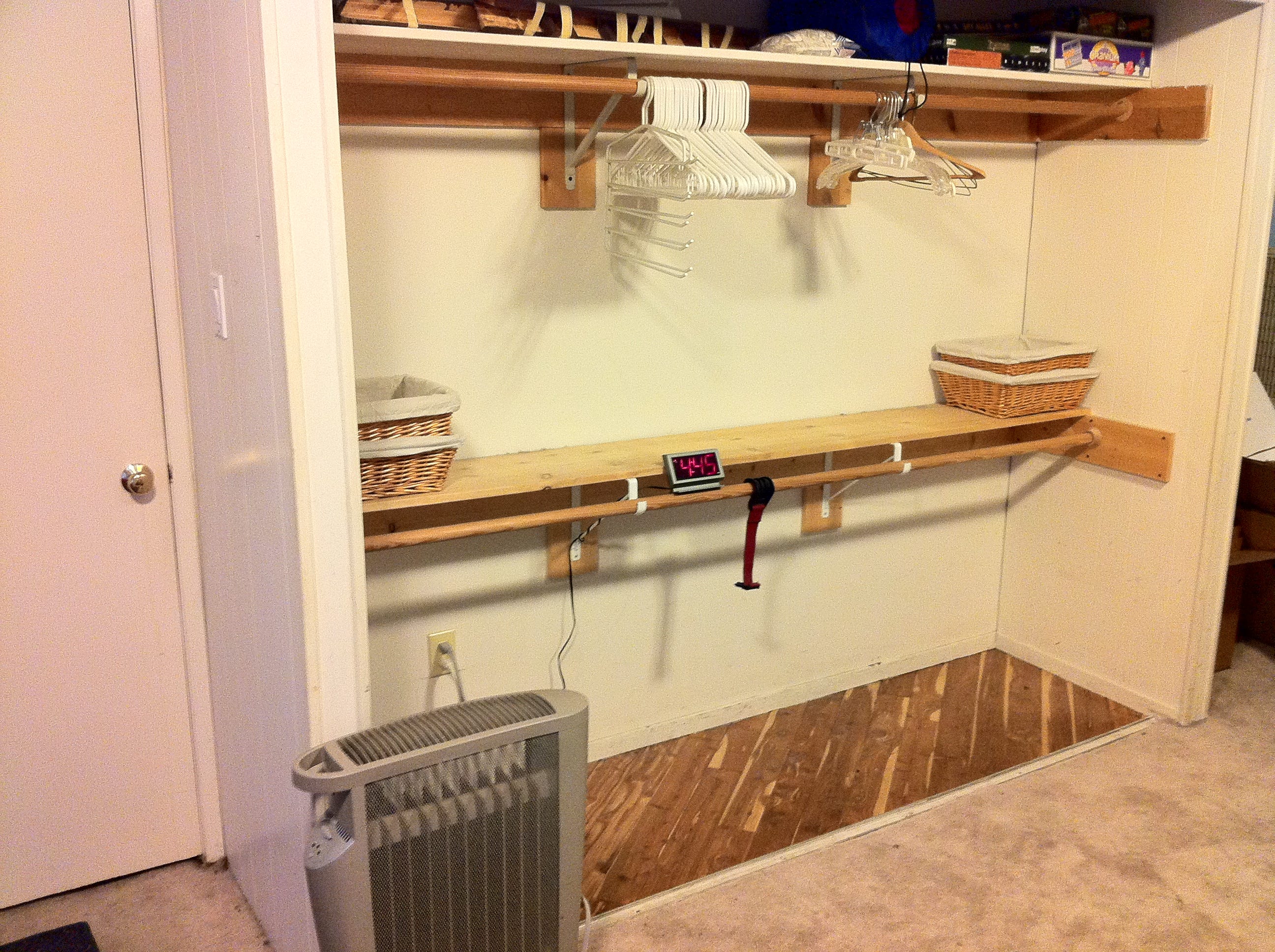
There is a photograph I took in January 2011. It shows a closet. Empty hangers. Empty baskets. A digital clock on the shelf reading the time.
This was the boys’ closet. The day before, it held their clothes, their things, their presence.
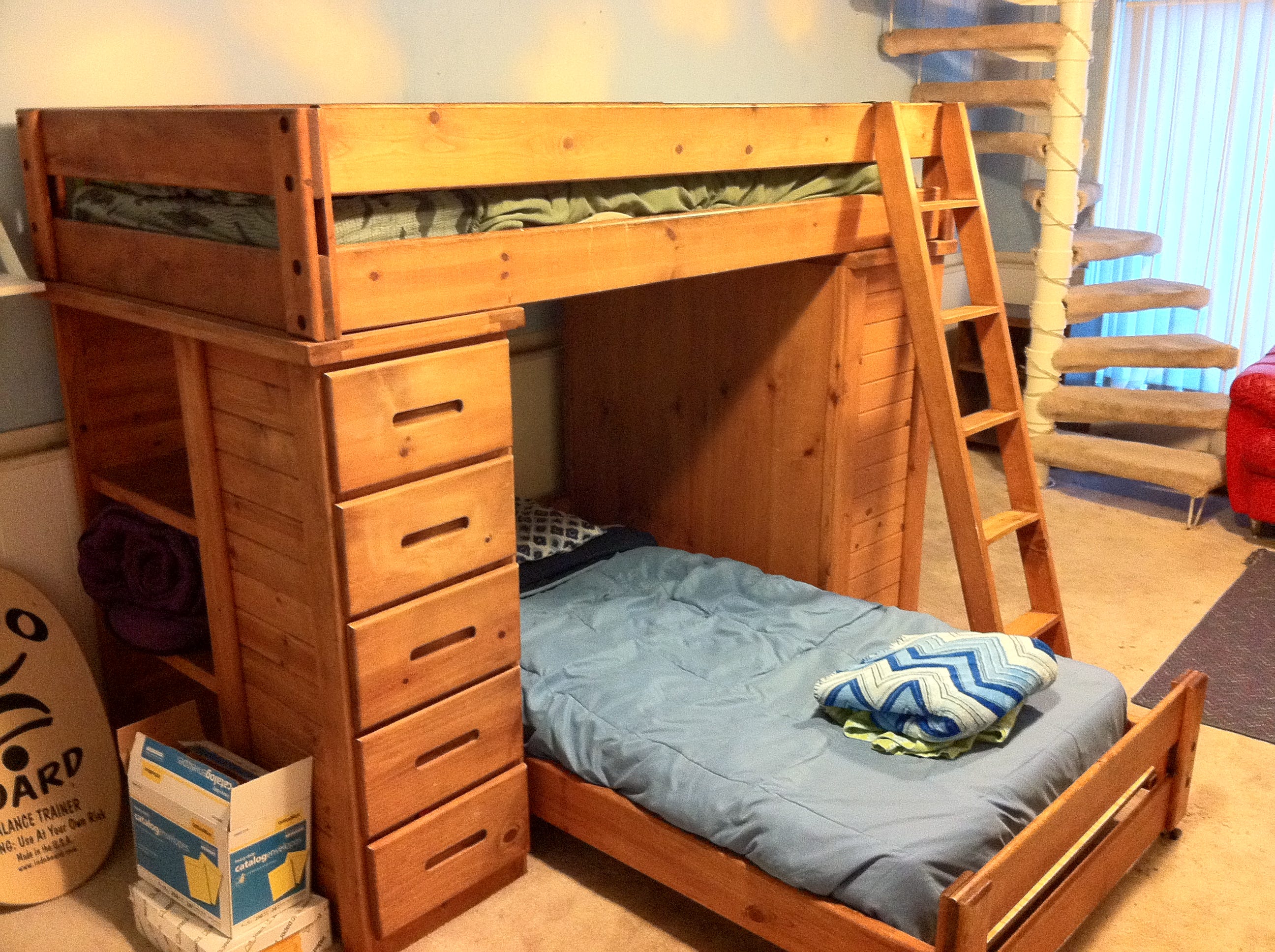
Another photograph: their bunk bed. Still assembled. Still made. The furniture stayed. The children did not.
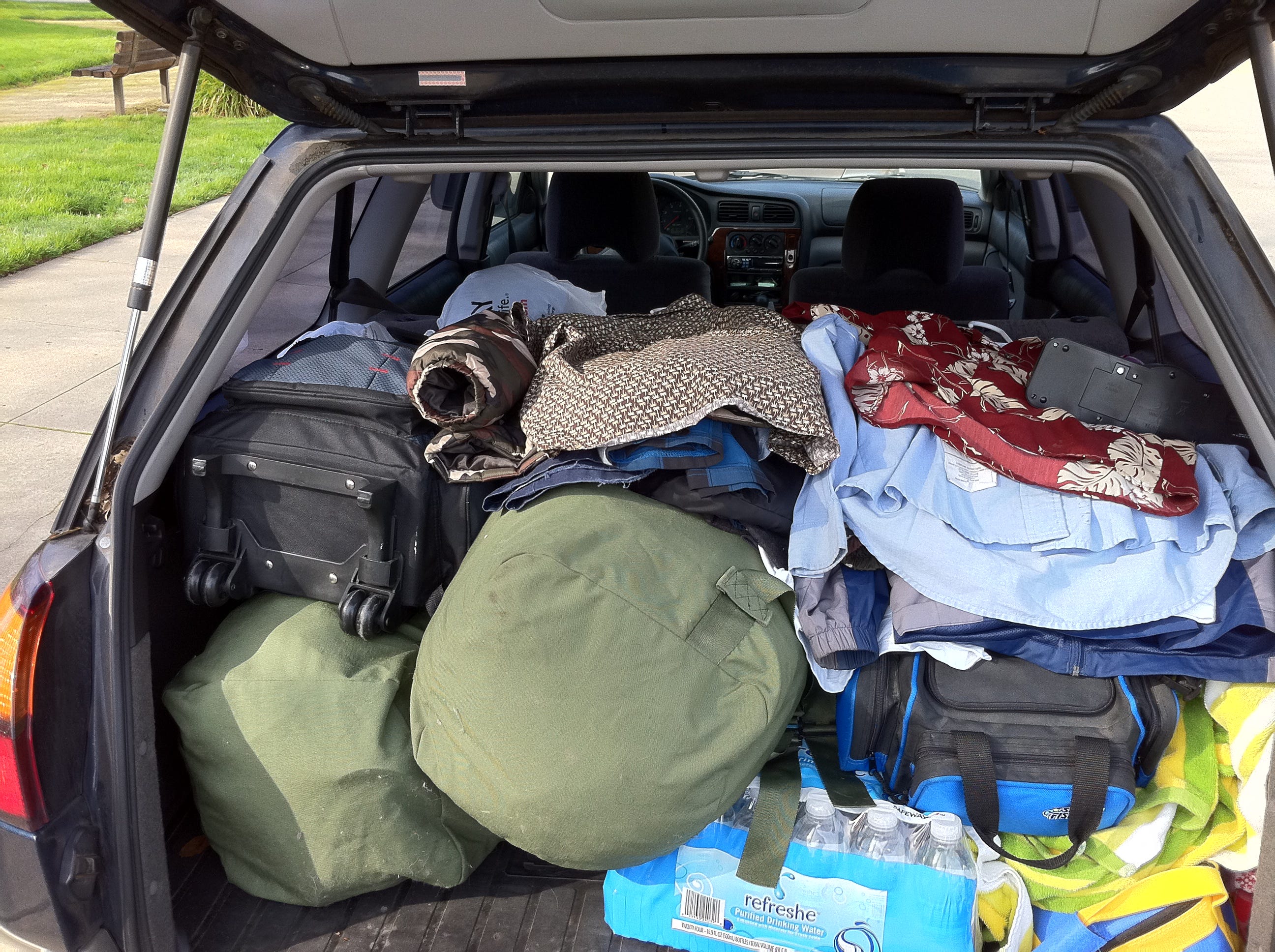
A third: the back of a car, packed full. Clothes, bags, blankets. Everything they owned, loaded up and driven away.
I did not take these photographs to build a case. I took them because I did not know what else to do. The boys had been instructed by their mother to pack everything that weekend. I watched them carry their belongings to the car, item by item. It felt like I was watching my children be erased from the house, and the only power I had was to witness.
The archive that remains
I cannot recover what was taken. I cannot undo the stories that were told.
But I can keep what I have.
The painted rock stays on my desk. The clay mushrooms sit beside it. The photographs stay on my phone, backed up in three places, because I have learned what happens when things are not documented.
These objects are not evidence of a better time. To me, they are evidence that I was there. That I loved them. That I was, in my view, a father not just in name, but in the daily work of showing up.
Some days, I pick up the rock. I don’t linger. I just hold it for a moment, feel the weight of it, and put it back.
They may never know what was given. They may never learn what was taken. They may believe the version of history they were told.
But I will know.
And I will not destroy evidence of my love.
Author’s Note: This article is a work of personal nonfiction based on my own memory, correspondence, and documentation. It reflects my individual perspective and experience, and is not intended as legal or psychological advice. Some names, timelines, or identifying details may have been changed to protect the privacy of all involved.
A Note on Gender: While I write this from my perspective as a father speaking about an ex-wife, the behaviors of alienation and high-conflict control are gender-neutral. If you are a mother experiencing this, simply swap the pronouns; the pain and the patterns are exactly the same.
Resources & Further Reading
Foundational Concepts
Ambiguous Loss — Dr. Pauline Boss
Why it’s relevant: When keepsakes are taken or histories rewritten, you grieve something that isn’t fully gone. Boss’s framework helps name this unique form of loss.
Continuing Bonds Theory — The Loss Foundation
Why it’s relevant: Explains why keeping objects connected to loved ones is healthy, not pathological. Objects serve as “linking objects” that maintain connection.
Adults Grieving the Death of a Sibling — Compassionate Friends
Why it’s relevant: Sibling loss is often overlooked. When items from a deceased sibling are taken, the grief compounds. This resource validates that unique pain.
Practical Guidance
How to Prove Parental Alienation — Shapiro Family Law
Why it’s relevant: Documentation matters. This guide explains why keeping records of exchanges, communications, and items given is critical in custody situations.
Helping Yourself Heal When an Adult Sibling Dies — Center for Loss & Life Transition
Why it’s relevant: Discusses “linking objects” — items that belonged to the deceased that help maintain connection. Losing these objects is a secondary loss.
Deep Dives
The Living Loss: Family Estrangement & Stages of Grief — Becca Bland
Why it’s relevant: Explores how physical objects and spaces hold the “cords” of relationships even after contact has ended.
Rules of Estrangement — Joshua Coleman, PhD (Penguin Random House)
Why it’s relevant: Coleman addresses the rewriting of history that often accompanies estrangement, and how parents can maintain their sense of reality through documentation.